Take Action

Make an Impact!

Whether you have 5 minutes, 5 hours, or 5 days, taking individual action to make Lancaster more sustainable is crucial for a healthier, stronger community. Small choices, like reducing waste, conserving energy, and supporting local eco-friendly initiatives, can have a big impact. By embracing sustainability, we can improve our quality of life, protect natural resources, and ensure a thriving future for Lancaster. Every step counts!

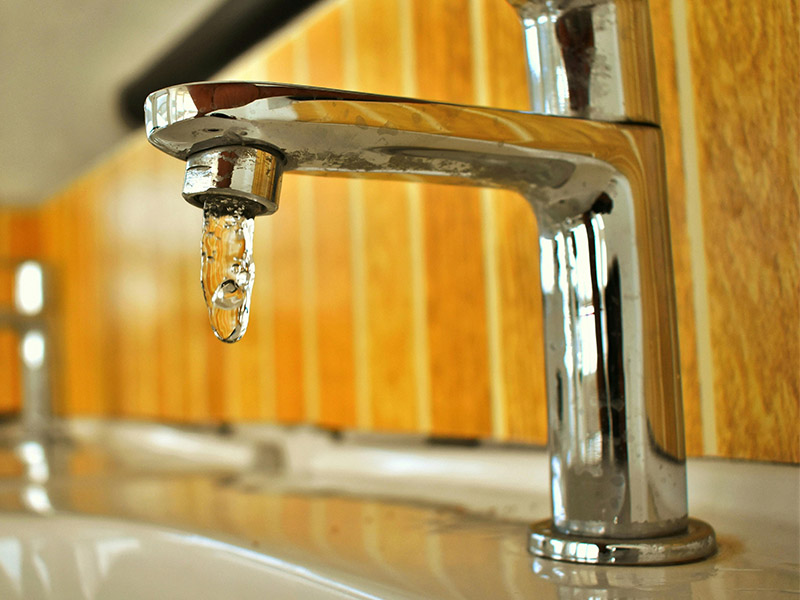
Running faucetTurn off your faucet when you brush your teeth, wash your hands, shave, rinse foods or wash dishes.

5 Minutes

Easy, every day changes you can make that can significantly reduce your impact on the environment.

Turn Off the Water

Don’t let water run when you brush your teeth, wash your hands, shave, rinse foods or wash dishes. One minute with the faucet off can save up to three gallons of water. Additionally, you can calculate your daily water usage footprint so you’re aware of your personal impact.

Stop the Leaks

First know where they are. A quick scan of visible pipes and faucets, and you’ll see where you might need to install a new washer to prevent a faucet from dripping. Be sure to check your outside faucets too which can leak even if you have a nozzle on the end of your garden hose.

Don’t Pollute

Don’t use harsh chemicals or detergents at home, don’t dump or thrown anything in the stormwater inlets along the streets – remember these pollutants can end up in the Conestoga River during heavy rain events without treatment at the wastewater treatment plant. Do pick up your pet waste, do eliminate use of pesticides and fertilizers, do check and repair automotive leaks.

Switch to LED Lighting

LED bulbs use significantly less electricity than incandescent bulbs. The LED energy usage for a 75W equivalent bulb is 7W, almost 10x the energy savings!

Change Your Habits

While changing or adding fixtures in your kitchen and bathroom to stop leaks is crucial to conserving water, changing habits is equally important. Building a few quick water-saving habits into your routine will not only conserve resources but also will reduce utility bills. Here are a few things you can do:

  • Avoid using large amounts of water during peak energy demand times, typically between 11 a.m. and 7 p.m.
  • Turn the water off when you are brushing your teeth
  • Take a five-minute shower
  • Flush your toilet less
  • Use your appliances wisely. Run the dishwasher and washing machine only when they are full. If you do run smaller loads, make sure settings are adjusted to shorter cycles

Get to Know Your Downspouts

Yes, your downspouts! Check your house and/or garage and find out how many downspouts you have coming off of the roof and where they are going. Likely, you’ll find that at least one of your downspouts goes directly into the combined sewer system. Others may run out onto a paved area and eventually to a storm drain.

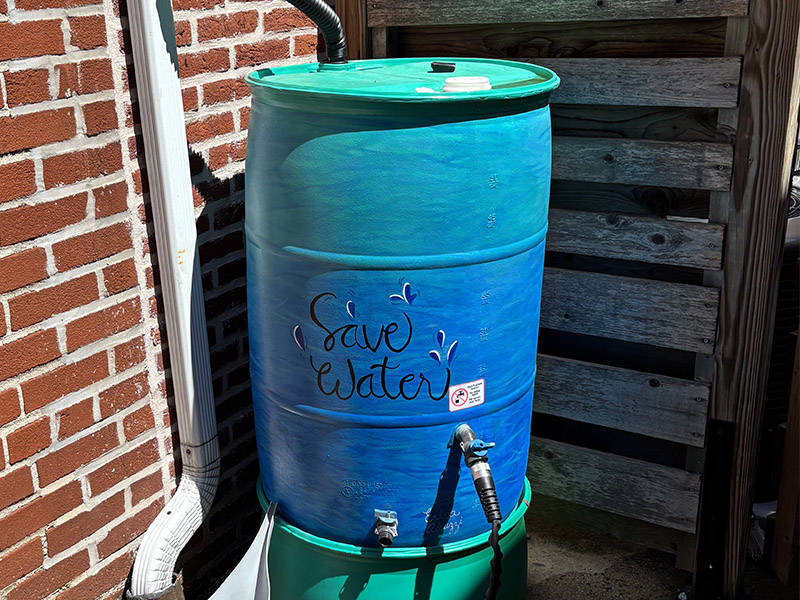
Rain barrelRain Barrels capture water from a downspout.

5 Hours

Got a few hours? Make a real impact by helping create a stronger and more sustainable community.

Join the Compost Co-Op

Join the Lancaster Compost Co-Op! Sign up today to reduce waste, protect the environment, and turn food scraps into rich, healthy compost.

Ride Your Bike or use the City’s Bike Share

Explore Lancaster easily and sustainably with Bike It Lancaster, Lancaster City’s bike share program! Offering affordable and convenient access to bikes across the city, it’s a great way to see the sights, get some exercise, and reduce your carbon footprint. Whether you’re running errands or enjoying a leisurely ride, the app makes picking up and returning bikes simple. Get started today and experience Lancaster on two wheels!

Install a Low-Flow Shower Head

Low-flow shower heads reduce your shower water use by 20 to 60 percent and put aerators on all your faucets, which can reduce your water flow by two gallons per minute.

Install a Toilet Dam

Toilets use about 40 percent of the water we use in our homes – up to 3.5 gallons per flush. The Environmental Protection Agency (EPA) estimates that in the U.S. more than 4.8 billion gallons of water are flushed down toilets each day. If your toilet was installed before 1992, add a toilet dam ($4.99 – $8.99) to reduce the amount of water flowing out of it by 35 percent and still leave it functioning properly. (Never use a brick to displace water in the tank, because it can deteriorate and clog your pipes.)

Use Solar Powered Lighting

Many types of lighting around the house can be powered via solar panels. Outdoor lighting will now commonly come with an option for included solar panels. While more expensive upfront, the costs to operate are much lower over the life of the bulbs (especially if they are LED).

Buy Renewable Energy

Pennsylvania allows electricity customers to pick their providers and Renewable Energy is at least equal in price to non-renewable sources. By increasing demand in renewable energy, more clean energy plants will be built, which will lead to a healthier PA for all of us.

Disconnect and Redirect Downspouts

Redirecting your downspout to a green area where the rainwater will be able to soak into the ground. Be careful here – you don’t want to put too much rainwater into an area that can’t absorb it.

Install a Rain Barrel

Rain Barrels capture water from a downspout. The effectiveness of rain barrels (or cisterns) is a function of their storage volume in comparison to the size of the roof. In a simple residential example, a 1,200 square foot roof could utilize 60-gallon barrels to store runoff from downspouts at the four corners of a house. The resultant storage is equivalent to about .3 inches of runoff. While this volume will not substantially reduce flooding from large storms, it can considerably reduce direct runoff from smaller storms and divert water from the combined sewer system. The actual effectiveness of this approach depends on you! Rain barrels must be regularly emptied between storm events, and the water can be used for watering plants or can simply be released back into the combined sewer system when it is not raining.

Plant a Tree

Trees are not only a beautiful addition to the landscape, but they also provide invaluable benefits to urban communities. They cool your home on hot, sunny days, intercept rain as it falls, naturally manage large volumes of rainwater, clean the air and provide a noise buffer.

For example, using a relatively mature Chinkapin Oak (Quercus muehlenbergii) with a five-inch round trunk shows it has the equivalent value of $40 per year in energy savings. The same tree will divert 325 gallons of rainwater, and offset 528 pounds of carbon emissions.

A Tree Permit from the City is likely required to plant a tree, because the City can help you select the appropriate species for your space.

Remove Some Pavement

Walking down the street you might notice that some houses have concrete extending from their foundation all the way out to the curb. In some places, this is unavoidable because the sidewalk is already very narrow. However, in other places, there is plenty of room to remove some of the concrete along the front of a house or add a planting strip between the curb and the sidewalk.

A Stormwater Permit from the City is likely required, because changes you make could accidentally cause a negative impact other areas.

Use Native Plants and Mulch

Using native plants, also called conservation landscaping, means using plants for landscaping that require less watering and maintenance. Native plants have extensive root systems that can more readily absorb rainfall, thereby reducing stormwater runoff.

In addition to reducing stormwater runoff, conservation landscaping provides a host of other benefits. Deep-rooted native plants effectively stabilize soils and prevent erosion while providing habitats for native and migrating birds, butterflies and insects.

Mulch helps the ground retain moisture and rebuilds the quality of soil. A typical safe mulch can include bark mulch (not dyed), leaves, pine needles, wood chips, or straw.

Volunteer at the Bay Street Community Garden

Lancaster Rec may offer volunteer opportunities at the Bay Street Community Garden, where neighbors can help with planting, upkeep, and community events. Visit their website for current opportunities.

Adopt a block cleanupNeighbors in Lancaster can adopt a block!

5+ Days

If you’re ready for lasting change, spend a few days deepening your positive impact on the planet.

Adopt a Block

Neighbors in Lancaster can adopt a block—fostering community pride and keeping streets clean and vibrant. The City provides trash bags, gloves, and a street‑sign to recognize your efforts. Volunteers set their own cleanup schedule, committing to at least four cleanups a year, with support from the Adopt‑A‑Block program. This makes it easy to keep your neighborhood beautiful while building connections and pride. Sign up to Adopt a Block

Replace Your Toilet

If possible, replace your toilet with a modern low-flush model that can use as little as 1.6 gallons per flush. If you live in a home that was built after January 1, 1994 you probably already have a 1.6 gallon or less per flush toilet. Be sure to check for leaks – they can waste as much as 200 gallons of water per day. One common way to check for leaks is to put a few drops of food coloring in the tank. If the coloring ends up in the bowl, you know you’ve got a leak and it’s time to consult a local plumber or hardware store on how to make the relatively easy repair.

Install a Cistern

Cisterns are much larger rain gardens. Typically, underground, a cistern has a larger storage capacity than a rain barrel. They are designed to intercept and storm runoff from rooftops to allow for its reuse (e.g., irrigation or gray water systems).

Install a Pervious Patio, Sidewalk or Driveway

ervious pavement is a structural pavement consisting of a permeable surface underlain by a rock bed that allows water to soak into the ground slowly. It allows stormwater infiltration and underground storage to reduce runoff. Pervious pavement is well suited for parking lots, walking paths, sidewalks, and patios.

A Stormwater Permit from the City is likely required, because changes you make could accidentally cause a negative impact other areas.
Soak It Up!

Infiltration practices are natural or constructed areas that slow, filter and absorb stormwater. They also attract and provide habitat for butterflies and birds, and serve as attractive landscaping. Infiltration practices can include:

Rain Gardens
Shallow landscaped area that requires removing some portion of the existing soil and replacing it with a sandy soil mix that can hold and filter several inches of water. In addition, rain gardens are planted with specially selected native plants that can hold up in wet conditions.

Dry Wells
Small, excavated pits typically about 4-6’ deep, filled with stone or gravel that temporarily store stormwater runoff until it infiltrates into the surrounding soil. A downspout can connect directly to a dry well.

Green Roof
Green roofs are a way to transform a conventional flat roof – typically black – into a green “carpet” that effectively manages rainwater by retaining and filtering water through plants and soils. In addition to managing rainwater, green roofs provide an additional layer of insulation to a building thereby reducing heating and cooling costs, can double the life of a roof, improve air quality, reduce the urban heat island effect and can provide garden areas and attractive views.

A Stormwater Permit from the City is likely required for these actions, because changes you make could accidentally cause a negative impact other areas.